
Preparing for inclement weather is crucial for staying safe and minimizing potential damage to property. Here’s a comprehensive guide to help you get ready:
- Stay Informed: Monitor weather forecasts regularly through reliable sources such as the National Weather Service or local news channels. Sign up for weather alerts on your smartphone or weather radio.
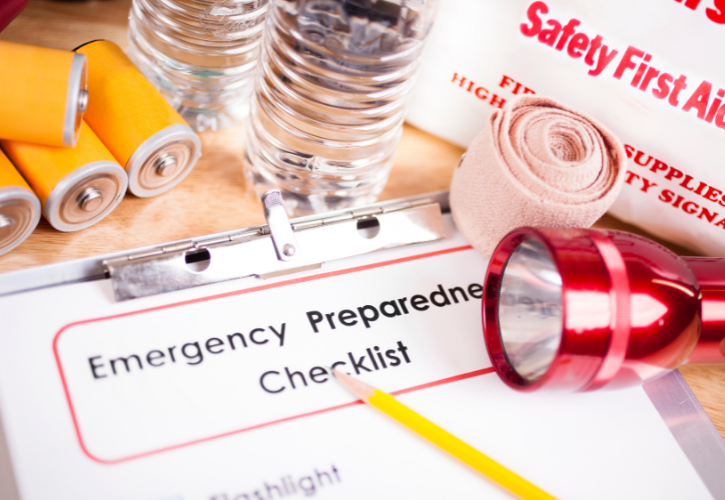
- Emergency Kit: Prepare an emergency kit that includes essential items such as non-perishable food, water (at least one gallon per person per day for at least three days), medications, flashlight, batteries, first aid supplies, and a multi-tool.
- Communication Plan: Establish a communication plan with family members or roommates. Determine how you will contact each other in case of separation and where you will meet if evacuation is necessary.
- Secure Your Home: Inspect your property for any potential hazards. Trim tree branches, secure loose outdoor items, and reinforce windows and doors if possible. If you live in an area prone to flooding, consider installing flood barriers or sandbags around your home.
- Backup Power: Invest in alternative power sources such as generators or portable power banks to keep essential devices charged in case of power outages.
- Evacuation Routes: Familiarize yourself with evacuation routes in your area. Plan multiple routes in case some are blocked or inaccessible.
- Protect Important Documents: Store important documents such as insurance policies, identification, and medical records in a waterproof container or digitally on a secure cloud storage service.
- Vehicle Preparedness: Keep your vehicle’s gas tank filled during inclement weather events. Equip your car with emergency supplies including blankets, water, food, and a first aid kit.
- Stay Indoors: During severe weather, stay indoors if possible. Avoid unnecessary travel, especially during storms or when roads are icy.
- Stay Warm: In the event of power outages, use extra blankets, layers of clothing, and consider alternative heating sources such as a fireplace or properly ventilated space heater.
- Emergency Contacts: Keep a list of emergency contacts including local authorities, utility companies, and emergency services. Include contact information for neighbors who may need assistance.
- Pet Preparedness: Don’t forget about your pets. Make sure they have enough food, water, and shelter to last through the storm. Have a plan for their evacuation if necessary.
- Medical Needs: If you have medical needs that require electricity, such as life-support equipment, ensure you have a backup power source or a plan to relocate to a facility with power.
- Post-Storm Safety: Be cautious after the storm has passed. Watch out for downed power lines, flooded areas, and other hazards. Only return home or venture out when authorities deem it safe to do so.
- Community Resources: Familiarize yourself with local emergency shelters, community centers, and resources available in your area in case you need assistance during or after a severe weather event.
By following these steps and staying prepared, you can ensure the safety and well-being of yourself and your loved ones during inclement weather.
