
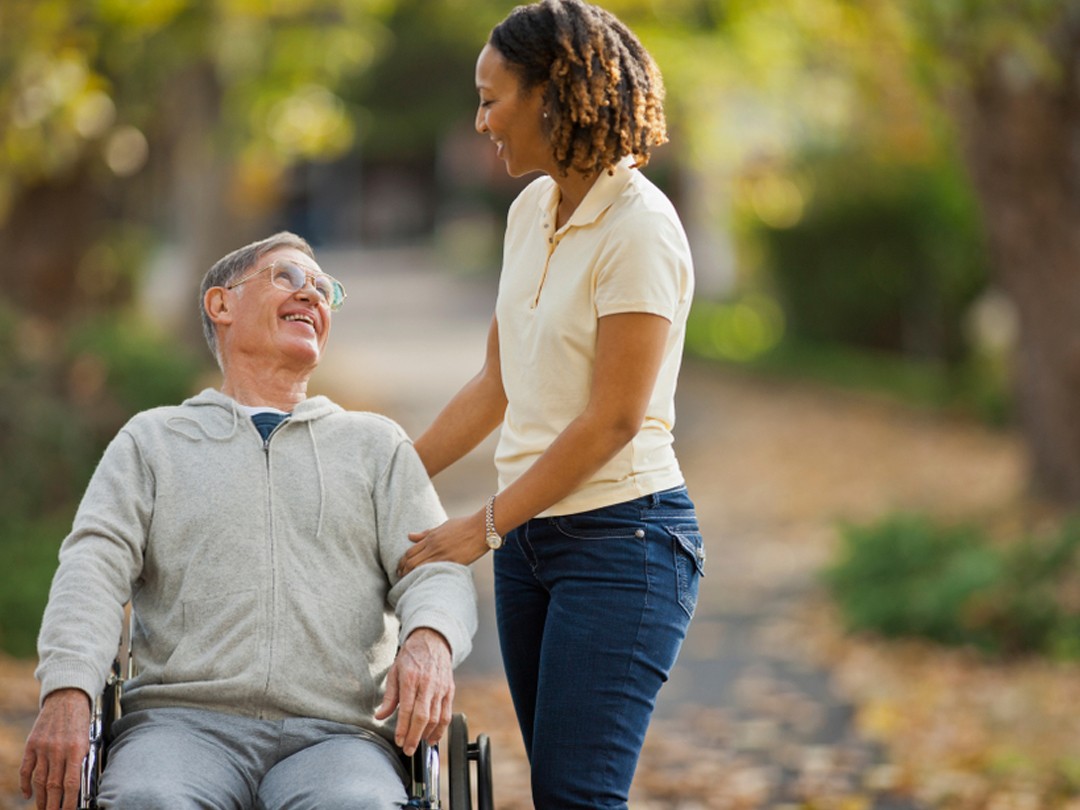
Helping Our Heroes Live with Dignity and Independence
As veterans age or cope with service-related injuries and health conditions, even everyday tasks can become challenging. Whether it is dressing, preparing meals, or managing medications, the right support can help them maintain independence and live with dignity.
What Are ADLs and IADLs?
Caregivers often assist with two key categories of daily activities:
- Activities of Daily Living (ADLs): These are essential self-care tasks such as bathing, dressing, eating, toileting, and mobility.
- Instrumental Activities of Daily Living (IADLs): These tasks support independent living and include cooking, medication management, housekeeping, transportation, and financial responsibilities.
Veterans may need assistance with one or both, depending on their unique health circumstances.
Common Challenges Veterans Face
Many veterans experience difficulties in daily life due to:
- Mobility Limitations: Past injuries or conditions like arthritis can make movement painful or difficult.
- Cognitive Impairments: Memory issues from dementia or traumatic brain injuries may affect their ability to manage routines.
- Mental Health Concerns: PTSD, anxiety, and depression can lead to self-neglect and isolation.
- Chronic Pain and Fatigue: Ongoing discomfort can make even simple tasks physically draining.
Understanding these challenges allows caregivers to offer more effective, compassionate support.
How Caregivers Support Veterans with ADLs
- Assistance with Personal Hygiene and Dressing
Caregivers help with bathing, grooming, and dressing while promoting independence. Safety aids like grab bars and shower chairs can also reduce fall risks. - Safe Mobility at Home
Preventing falls is crucial. Caregivers help maintain clutter-free walkways, assist with mobility aids, and ensure a safe home setup. - Meal Preparation and Nutrition Support
From cooking balanced meals to promoting hydration, caregivers ensure veterans receive the nutrition they need for overall health. - Medication Management
Caregivers help with setting reminders, organizing pillboxes, and ensuring prescriptions are filled on time to prevent missed doses.
Supporting Veterans with IADLs
- Home Maintenance and Errands
Housekeeping, grocery shopping, and basic chores can become burdensome. Caregivers step in to create a clean, organized, and safe living space. - Managing Finances and Schedules
Caregivers assist with budgeting, paying bills, and keeping up with appointments—reducing stress and supporting stability. - Promoting Social Connection
Veterans often feel isolated. Caregivers can help them engage in hobbies, join veteran support groups, and reconnect with loved ones.
Don’t Miss Out on the Aid and Attendance Benefit
Eligible veterans and surviving spouses may qualify for the VA Aid and Attendance benefit, which offers financial assistance for those who need help with daily activities. This benefit can help cover the cost of in-home care services, making it easier to receive the support you or your loved one needs.
Let Aloma Home Care help you understand and access these benefits—so you get the care you deserve without financial strain.
Compassionate Care for Veterans at Home
At Aloma Home Care, we recognize the unique needs and sacrifices of our veterans. As a CHAP-accredited provider, we deliver personalized, respectful, and compassionate care tailored to each veteran’s health condition and lifestyle.
Our experienced caregivers support independence while assisting with everything from grooming and mobility to medication and meal prep. Our goal is to honor our veterans’ service by helping them live safely, comfortably, and with dignity in their own homes.
